
Unlocking the Mystery of the Rubik’s Cube: Tips, History & Benefits
Unlocking the Mystery of the Rubik’s Cube: Tips, History & Benefits
 Vcare Staff
 Rubik’s Cube: More Than Just a Toy
Since its invention in 1974, the Rubik’s Cube has captured the imagination of puzzle lovers around the world. What began as a simple 3×3 mechanical puzzle has transformed into a global phenomenon, challenging minds and inspiring creativity across generations.
🕰️ A Brief History of the Rubik’s Cube
The Rubik’s Cube was created by Ernő Rubik, a Hungarian architect and professor. Originally called the “Magic Cube,” it was designed to help explain 3D geometry concepts. In 1975, Rubik patented the cube, and it was later licensed to the Ideal Toy Corporation in 1980—officially becoming the Rubik’s Cube we know today.
By the mid-1980s, it had become a global sensation, with over 100 million cubes sold. Fast forward to the 21st century, the cube has sparked a competitive scene known as speedcubing, where solvers compete to complete the cube in the fastest time possible—sometimes in under 4 seconds!
🧩 Why the Rubik’s Cube is Great for Your Brain
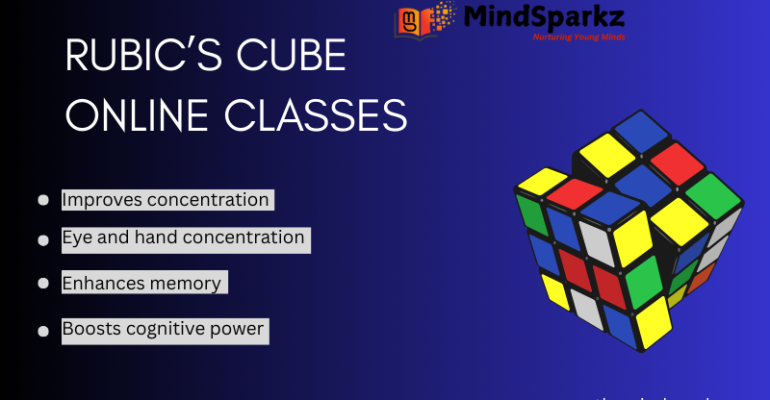
Solving the Rubik’s Cube is more than just a fun party trick. It’s a powerful tool for cognitive development. Here’s what it can do for you:
- Improves memory and recall
- Enhances problem-solving and critical thinking skills
- Boosts spatial awareness
- Promotes patience and perseverance
- Encourages goal-setting and discipline
It’s also used in schools and educational programs to encourage logical thinking in children and young adults.
🚀 How to Get Started with Solving
If you’re new to the cube, don’t worry—everyone starts as a beginner. Here’s a basic path to solving it:
- Learn the notation – The cube uses letters like F (front), U (up), R (right), etc., to describe turns.
- Understand the layers – Most beginner methods focus on solving the cube layer by layer.
- Practice algorithms – Short sequences of moves (algorithms) help solve specific parts of the cube.
- Be patient – Solving it the first time is hard. But with persistence, it becomes second nature!
⚡ Advanced Cubing: Speedcubing & Beyond
Once you’ve cracked the beginner method, you can explore the world of speedcubing, which involves:
- Learning advanced algorithms like CFOP or Roux
- Using lubricated, magnetic cubes for better performance
- Competing in official events held by the World Cube Association (WCA)
Speedcubing is both a fun hobby and a competitive sport with a vibrant global community.
✨ Final Thoughts
The Rubik’s Cube is more than a puzzle—it’s a symbol of intelligence, perseverance, and creativity. Whether you’re solving it for fun, self-improvement, or competition, it’s a rewarding journey that continues to fascinate millions.
So why not pick one up today and give it a twist?


